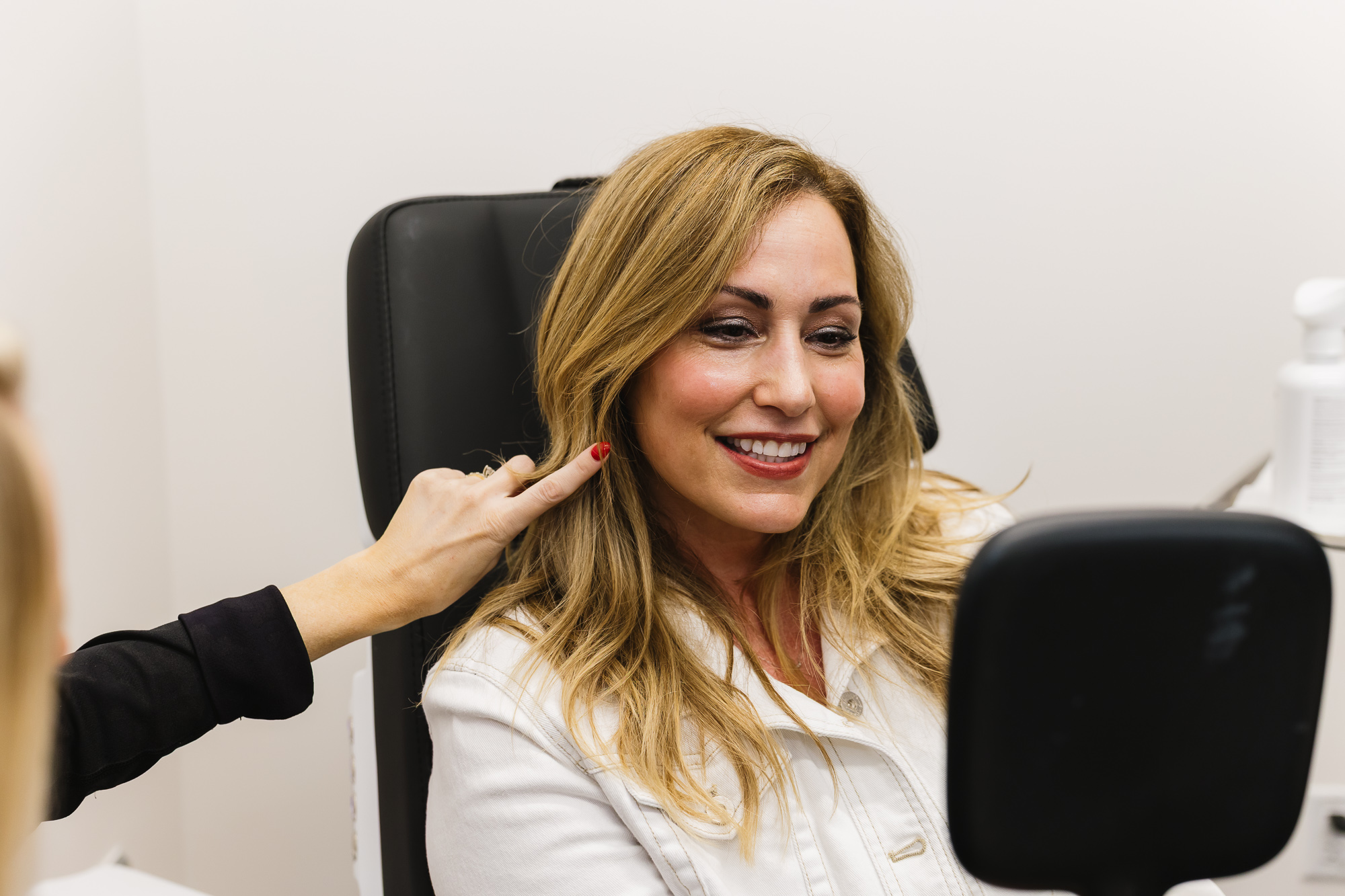
What Are Facial Proportions?
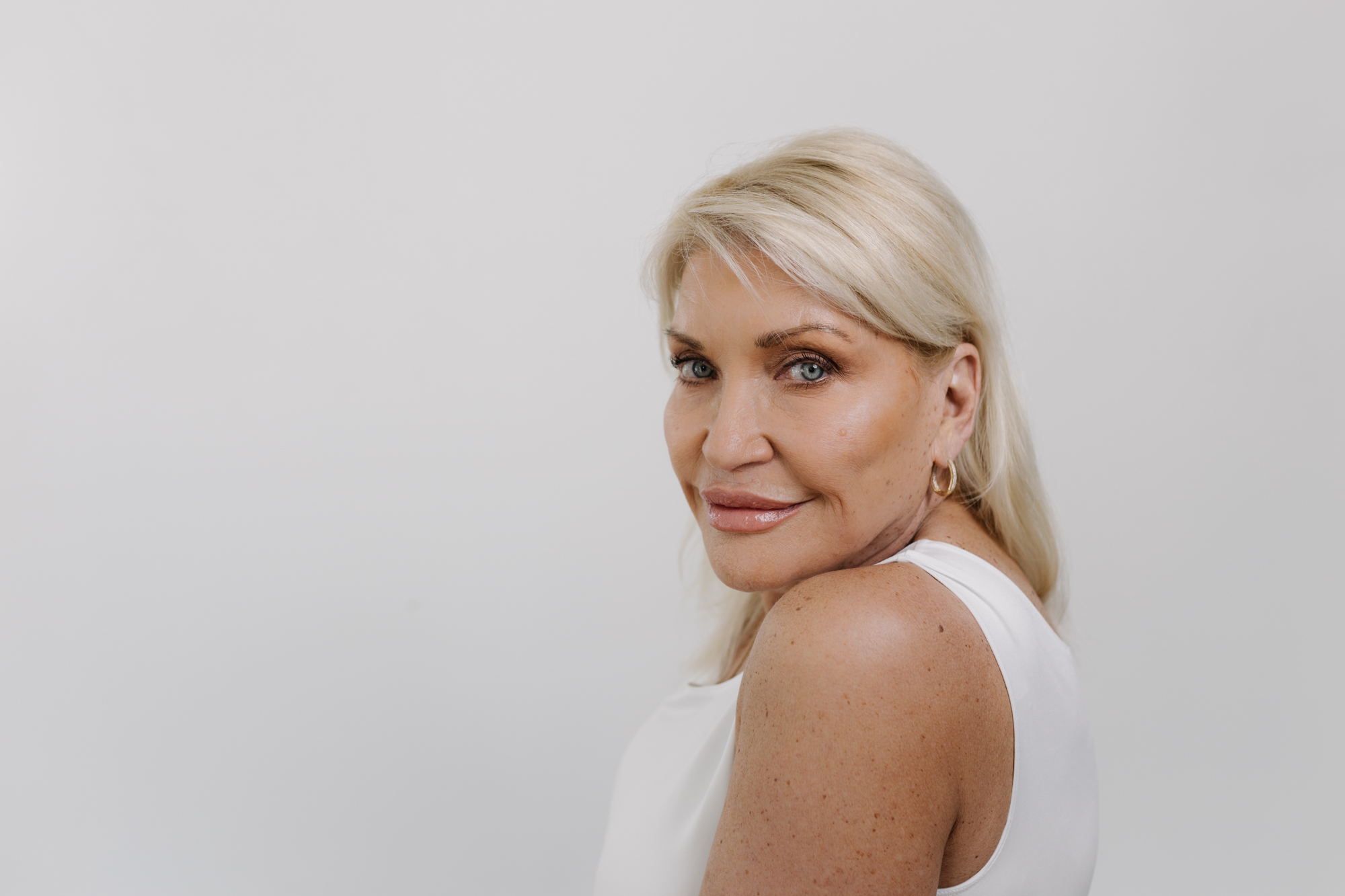
As we age, small shifts like volume loss in the cheeks or skin laxity near the jaw can throw these proportions off. While these changes are completely natural, they can make the face appear tired or unbalanced. The good news? These effects can often be softened with strategic, non-invasive treatments.
The Key Measurements
Vertical Fifths
Horizontal Thirds
- Upper third: from the hairline to the eyebrows
- Middle third: from the eyebrows to the bottom of the nose
- Lower third: from the nose to the chin
Proportional volume and structure in each of these thirds play a key role in facial harmony. For example, a patient with a recessed chin or flat cheeks may feel their features look unbalanced, even if nothing stands out individually.
Your Options for Enhancing Facial Proportions
Non-Surgical Treatments
- Dermal Fillers: Add structure and/or definition to areas like the cheeks, chin, or jawline.
- Botox or Dysport: Relax muscles in the face that may be causing imbalances.
- Kybella: Reduce areas of unwanted fullness, causing asymmetry or lack of definition.
These options are popular because they’re low-commitment, require little downtime, and allow for a subtle transformation.
Surgical Procedures
- Chin Augmentation: Brings definition and balance to the lower face.
- Facelift or Neck Lift: Repositions volume and tightens lax skin to restore youthful contours.
- Blepharoplasty: Targets signs of aging, lax skin, and hollowness in the eye area.
- Brow Lift: Lifts the brow to reduce heaviness and brighten the eye area.
Whether you’re looking for a small refresh or a bigger change, we’ll help you understand the best route for your features.